Cricket 2026: Significant rule changes introduced into the game, all the new laws, MCC

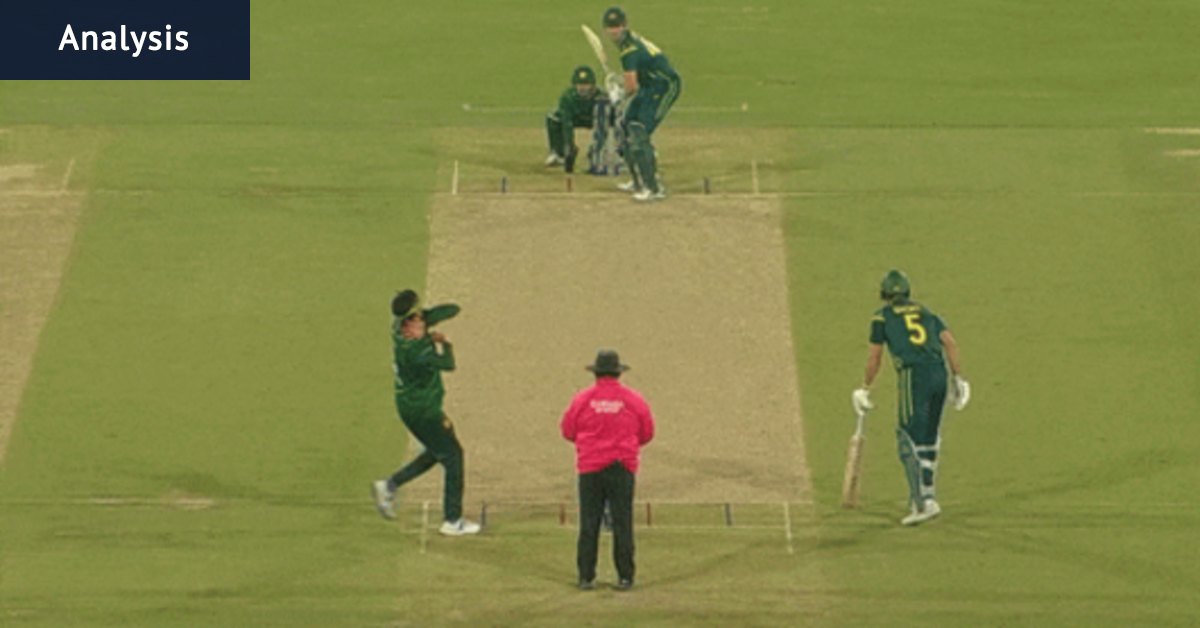
An almost unthinkable dismissal has forced cricket lawmakers to make a change to the rules.The MCC’s Laws sub-committee revealed a host of rule changes to the game of cricket this week with one coming after an impossible incident.One update being introduced to the game centres around a mode of dismissal after a player was ruled out in the most bizarre of circumstances.In a under-18s game between Gloucestershire and Somerset, a batsman hit a cracking drive straight back down the pitch.The ball slammed into the stumps at the non-strikers end before rolling all the way back down the pitch and into the batters’ wicket.The batsman was given out as the laws of the game at the time stated it was out. Now that has been changed.“We have now inserted into the laws in this edition that it can’t be out bowled if it’s hit the stumps at the non-strikers end,” MCC Laws Manager Fraser Stewart said.Arguably the most significant change introduced centres around what happens after a wicket falls in the final over of a day’s play during multi-day games.Previously stumps would be called if a wicket fell in the last over of the day in a Test match, but now that won’t be the case.Instead of the day ending, a new batter will be required to march out to the crease with the remainder of the over to be bowled before stumps is called.“The final over of a day’s play will not end if there is a wicket,” the MCC said. “This is a significant change that will impact multi-day cricket. It was felt unfair that, if a fielding side takes a wicket in the final over of the day, the batting side does not have to send out a new batter.“This doesn’t save time (which is the case at lunch and tea) as the remaining balls need to be made up the next day, and it takes the drama out of the game, while letting the incoming batter off the hook - at a time when the conditions are often more favourable to bowling. The new change means that the final over of the day will be bowled fully, even if a wicket falls during it (assuming conditions remain fit).”While a host of changes were introduced, one stood out more than most to cricket lovers surrounding penalty runs.“If a side offends after a result has been reached but before the umpires leave the field, penalty runs can be awarded,” the MCC wrote.“So, for example, if a batter were to celebrate the winning hit from the last ball of the match by punching the bowler in the face, they would subsequently lose the match.”The example offered up by the MCC quickly whipped around social media with fans laughing at the proposed incident.ESPN’s Steve Smith sarcastically wrote on X: “You can’t do anything now because of woke. Game’s gone.”James McCaghrey added: “So sadly now one must wait for the umps to leave before giving the bowler a shiner. Woke nonsense.”Another wrote: “Can we check if punching someone is worth 5 penalty runs? Scores level, hit a 6 and get a free punch?”Major changes to the laws of the game1. Standardised Women’s & Junior BallsNew ball categories - Size 1, 2, and 3, have been introduced. Size 1 remains the men’s ball, while tolerance limits for women’s and junior balls are now uniform.2. Laminated Bats AllowedType D laminated bats can now be used in adult cricket. This is expected to reduce costs without giving players any major performance advantage. Usage levels will depend on national boards.3. Final Over Must Be CompletedIn multi-day matches, if a wicket falls in the last over of the day, the over will still be completed instead of ending early.4. Short Running ClarifiedBatters can abandon a run without penalty if not done to deceive umpires. However, if short running is deliberate, the fielding team can decide which batter takes strike.5. Boundary Catching Rule UpdatedFielders who jump from outside the boundary can only touch the ball once while airborne. After that, they must remain inside the boundary or it counts as a boundary.6. Overthrow Clearly DefinedAn overthrow is now officially defined as a throw aimed at the stumps to attempt a run-out or stop runs. Other mistakes like misfields will not be treated as overthrows.7. New Definition of ‘Ball Finally Settled’The ball will be considered dead if it is controlled by any fielder or lying still, not only when held by the bowler or wicketkeeper.8. Wicketkeeper Position RelaxedKeepers can now stand in front of the stumps during the bowler’s run-up but must be fully behind the stumps once the ball is released.9. Hit Wicket ClarifiedA batter can be out hit wicket if they lose balance after playing a shot and hit the stumps. However, they are protected if pushed into the stumps by another player or equipment contacts someone before hitting the wicket.10. Clear Definition of Ball ControlFor run-outs and stumpings, fielders must have complete control of the ball, not just touch it. The control standard is similar to that required while taking a catch.

.jpg)
Most Popular


Save 17% Off Plan, Free Trial Offer
1 hour ago