England’s T20 strength offers Harry Brook and Brendon McCullum a lifeline

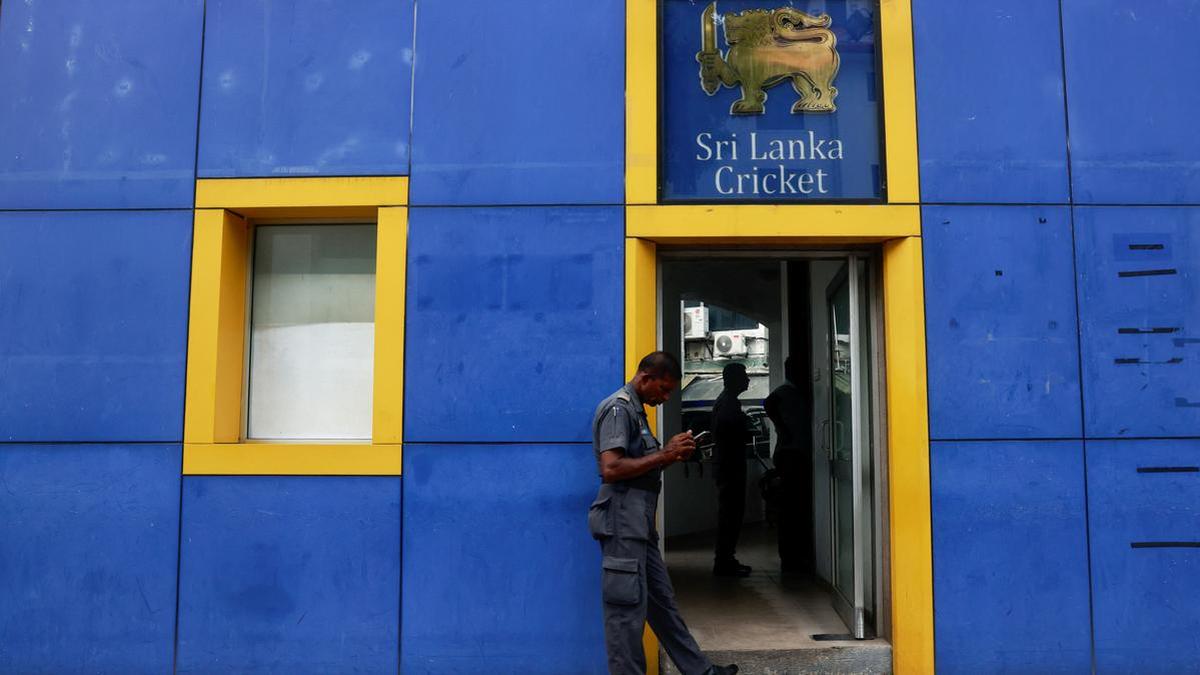
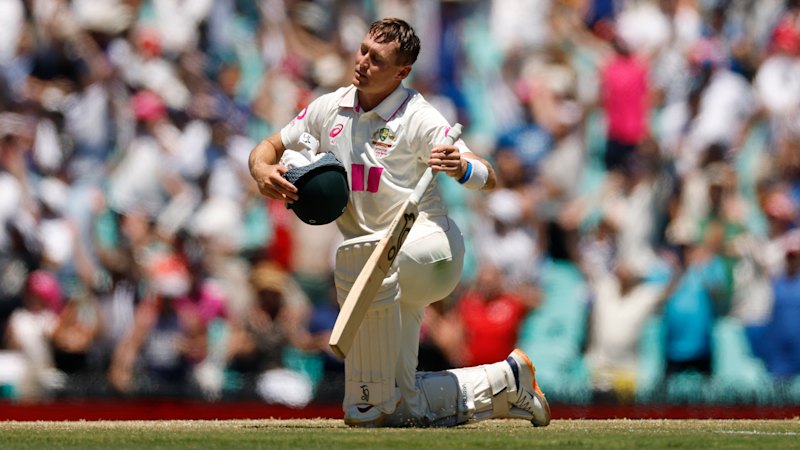
It is quite a feat of mismanagement for something that happened in November to be rumbling on four months later, but there has also been a lot of rubbish spoken about it. The tired cliché that the “cover-up is worse than the crime” gets trotted out time and again. Really? The England captain goes out on the eve of an international, has one too many to drink and gets — in his words — “clocked” by a nightclub bouncer and people are worried about the comms follow-up? Give me a break.Too often, especially in a coach-led era where backroom staffs have grown in importance, the notion of personal responsibility gets brushed away. When players play badly, focus falls upon specialist coaches; when behaviour falls short of the standards required, focus falls upon team culture. Of course these things are linked, but players should not be insulated and protected from scrutiny as a result of the choices they make.That said, Brook is not the first cricketer to make a mistake of this nature, and it is right that he gets the requisite support and help now from those within the set-up to allow him to grow and mature, as others have done. As Brendon McCullum acknowledged after the third T20, Brook “has work to do off the field”. Specifically, I think he needs to understand that the position he holds matters; that he is the figurehead of the team and, therefore, largely responsible for how it is perceived in public, and that his words and actions carry more weight as a result than he imagines.While accepting that what is said in public may differ from private thoughts, nothing he has said publicly suggests he has really grasped the notion that the position requires a pivot from being just a player. He sees himself as a player, first and foremost, who has had the captaincy thrust upon him. When I interviewed him before the Ashes he said: “I’ve done bits and bobs [of captaincy] here and there but I’ve never been biting at the bit to do it. If it arises, you can’t really say no.”After the fallout from the Wellington episode, when asked whether he could have lost the captaincy, he said: “If they’d have sacked me from being captain, then I’d have been perfectly fine with it as long as I was still playing cricket for England.” While a desperation to hold responsibility might not necessarily be a good sign either, you do have to want to do it and give some thought to how you intend to shape the team that you lead.His “beer smash” celebration after getting a hundred in Sri Lanka, suggested there is a way to go yet in that regard. It was another piece of poor judgment: it brought some further and unwanted attention to the reason for the celebration and suggested a lack of contrition. That comes from an insularity and a failure to realise how much the England team matters to their supporters and how they are perceived right now. He doesn’t give much thought to how his words and actions land and that needs to change.That insularity is both a weakness as a leader but a strength as a player. Many have looked burdened by the expectations of the role and the scrutiny that comes with it — his predecessor, Jos Buttler, was a case in point — but that does not seem to be the case with Brook. His batting has looked little affected and his decision-making in the field seemed sharp in Sri Lanka, where both ODI and T20 series were won.Those wins were a reminder, after a dismal Ashes, that England are not a bad side, especially in T20. The Test team have struggled when set against the best opposition; form in ODI cricket has been suspect for a long time, but in T20 results have held up. They are ranked third behind India and Australia and have won twice as many games as they have lost in this short World Cup cycle, a capricious game though T20 is. Sri Lanka are not the force they were, but beating them at home is never straightforward.England have a good record in the competition and go to the World Cup with a live chance.Specifically, areas of strength include a destructive opening partnership — Phil Salt and Buttler are ranked No2 and No3 in the world respectively — batting depth and a lot of decent spin and spin-bowling all-rounder options, which means they should be well suited to the conditions.Ironically, while the focus of the Ashes defeat was the poor preparation, they look well prepped for this: many of the players have enjoyed a post-Christmas period playing T20 and the matches in Sri Lanka — especially the third of them, on a slow turner in Pallekele — should be useful preparation for the Super Eights, which is where they will play. The draw may have worked in their favour, too, with the easier of the two Super Eight groups.The decline of the importance of bilateral series and the increased frequency of global events, mean that England measure themselves by these tournaments, yet since the T20 World Cup win in Australia in 2022, results have been really poor. They lost six out of nine matches and didn’t qualify for the knockout stage in the 50-over World Cup in 2023; made the semi-finals without playing anywhere near their potential in the 2024 T20 World Cup and were eliminated, abject and winless, in the Champions Trophy last year.The context, then, for this World Cup is fascinating. White-ball form has been in decline for some time. The backdrop of the Ashes has been dismal. The new captain has so far been found wanting in certain aspects of the job. The coach is stubbornly resisting the idea that his approach has to change radically. The managing director’s judgment promoting the captain and extending the coach’s remit is under scrutiny. The suits watch on, swayed usually by public perception and results.
.jpg)
Most Popular
)