Human rights issues swirl around the 2026 Women’s Asian Cup. They cannot be ignored
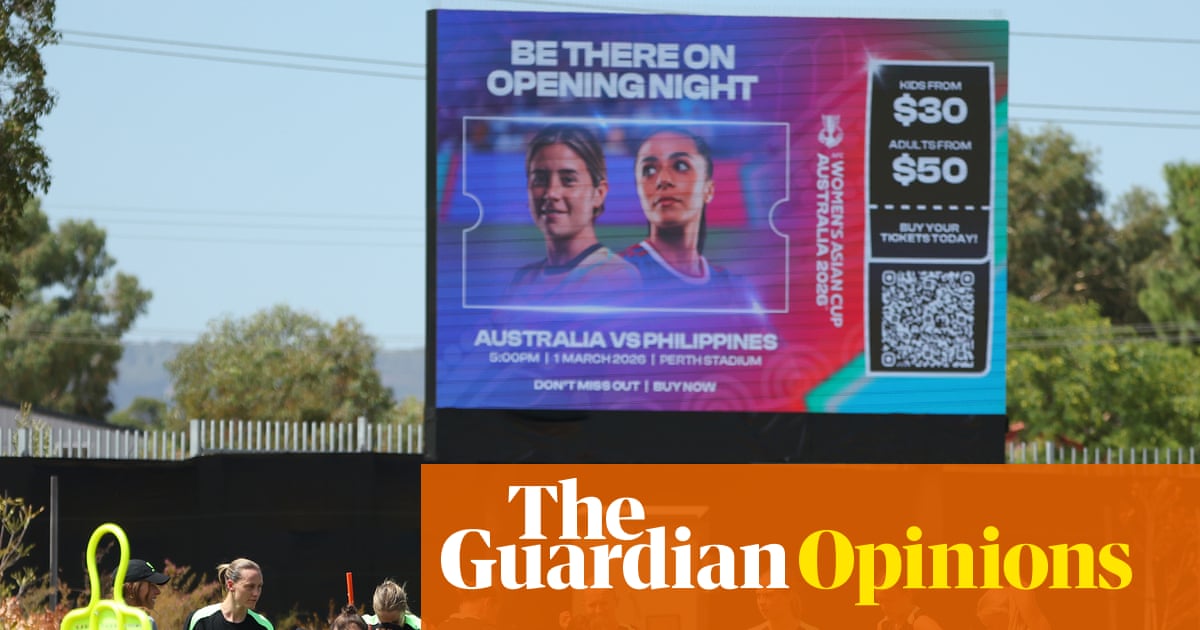
Just over a year ago, 18 senior players from the Bangladesh women’s national team threatened to retire from international football in protest of their alleged treatment by their head coach.In an emotional media conference, captain Sabina Khatun stood in front of a tangle of microphones – in an image reminiscent of Lydia Williams when the Matildas went on strike in 2015 – to accuse Peter Butler of verbal abuse, body shaming, mental harassment, and inappropriate comments about their private lives.The players had raised their complaints privately months earlier, but with no resolution or action from the national federation, they collectively decided to front the media and share their experiences.An internal investigation by the federation cleared Butler of wrongdoing, claiming there had been a “misunderstanding”, while new contracts were offered to the boycotting players. Butler remains the head coach of the side, and Khatun, along with other senior players, were not selected for the Women’s Asian Cup squad.Not that you would know any of this from the glittery marketing surrounding the tournament, which kicks off on Sunday. Indeed, there is hardly anything at all about any of the other competing nations outside of the host nation Australia across the organisation’s official channels, let alone stories of the difficulties these players have faced on their road to get here.But, of course, why would they? The tournament’s “Dream Fearless” branding has no room for the realities faced by the players who are the heart and soul of these tournaments, and whose stories deserve respect and recognition. The Asian Football Confederation (AFC) does not want you to peek behind the curtain at the human rights issues being played out on the stage they created.Amidst the pretty pastels, there is no room for the ugly fights the South Korean women’s team, who finished runners-up in 2022, have been having with their own federation, who they accuse of creating “harsh and unreasonable conditions” for their players, or the boycott they threatened if things didn’t change.There is no room for acknowledging the dilemmas or crises faced by players from Iran, who are participating in their second Asian Cup against a backdrop of state violence and authoritarian control, and who have reportedly been pressured against speaking out about what matters to them.There is no room for the restrictions placed on North Korean players denied opportunities to sign for clubs overseas, nor for Indian women’s efforts to represent their country despite an imploding national federation. Nor is there room for the countless sacrifices made by the majority of players who will earn next to nothing for participating after the AFC refused to increase its minimal prize money or restructure its distribution despite almost 90% of players in a 2022 survey saying improvements were needed.For a tournament being sold through the lens of women’s empowerment and gender equality – including events on International Women’s Day when there will be collaborations with women content creators and “women’s health hub” zones outside stadiums – there is a glaring contrast between the Asian Cup’s corporate dream and its structural realities.And even though Australia is the only competing nation to have equal pay between its men’s and women’s national teams, the host country cannot escape criticism either.Football Australia continues to fall short of its own gender equity requirements after the departures of Amy Duggan, Heather Garriock and a wave of senior women staff members over the past year.The governing body has come under more fire recently for their treatment of former Matildas players, who were invited to sign up for a new platform under the proviso they would “refrain from making public comments or statements that bring or may bring Football Australia into disrepute”.A group representing the majority of the Matildas alumni – many of whom are still fighting FA’s unexplained and heavily criticised decision to alter national team criteria – have labelled it as a “silencing mechanism”.With the Asian Cup launching the day after the 2026 Sydney Gay & Lesbian Mardi Gras parade, and in a domestic footballing period marked by the A-Leagues’ “Pride Celebration”, there has been no acknowledgement of the LGBTIQ+ community, many members of which will be on the pitches, the sidelines and in the stands.Currently, homosexuality is illegal and punishable by death or imprisonment in two of the nations competing at the tournament, while marriage equality is still banned or not recognised in eight more. Only Australia and Taiwan recognise same-sex marriage nationwide, with the Matildas recognised as global leaders in LGBTIQ+ representation in sport.The juxtaposition between the safe, diverse and inclusive culture that has blossomed within women’s football globally, and the heavy restrictions and silences placed on Asian LGBTIQ+ athletes when representing their countries on the global stage, is glaring.The AFC is required to uphold Fifa’s human rights policy, which requires all confederations and their member federations to “respect all internationally recognised human rights and … strive to promote the protection of these rights”.Yet as these stories illustrate, many of these nations fall well short of these obligations. And while that may not make for a glitzy marketing campaign, reckoning with them is the only way that the Asian Cup can create a genuine legacy for the generations of women that are daring to dream fearlessly.

.jpg)
Most Popular