Brahim Díaz Carries Morocco’s Dream Into AFCON Semifinal
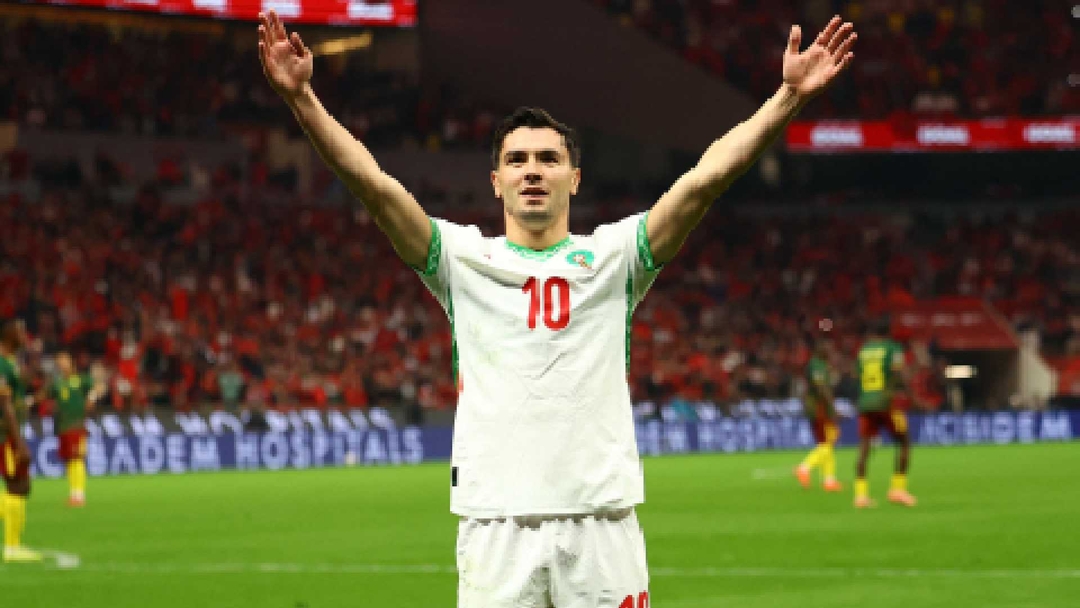
Nearly 70,000 Moroccan fans will pack the stadium, with millions more following across the country and abroad, all hoping for another standout performance from Brahim Díaz on Morocco’s road toward Africa Cup of Nations glory.The timing is significant. The midfielder reaches this decisive stage while still adapting to changes at Real Madrid, where Álvaro Arbeloa has taken over from Xabi Alonso. With the national team, however, Brahim has been a constant source of inspiration, sending strong signals from Rabat that his influence keeps growing.Brahim has come to symbolize the broader rise of Moroccan football. With the country positioning itself at the forefront ahead of the 2030 World Cup, Morocco’s ability to recruit elite talent developed in Europe has become a cornerstone of its project.The Málaga-born midfielder is one of the clearest examples. His performances have not only drawn attention locally but have resonated across the tournament, placing him at the center of Morocco’s continental ambitions.The statistics speak for themselves. Brahim Díaz has scored five goals in five matches—an unprecedented feat in AFCON history and across African football.One goal per game. No precedent. His impact has been total, and it has not gone unnoticed back in Madrid, both in the club’s offices and inside the dressing room.Standing between Morocco and the final is Nigeria—arguably the most dangerous attacking side in the tournament. With Victor Osimhen and Ademola Lookman leading the line, the Super Eagles have been relentless going forward.After narrow escapes against Tanzania and Cameroon, Walid Regragui’s side will need a sharper performance to overcome what has been the competition’s toughest opponent so far, fresh off eliminating Algeria in the quarterfinals. Nigeria will be without Wilfred Ndidi, suspended for the match.Morocco, buoyed by nationwide support and widely praised infrastructure, is chasing its first Africa Cup of Nations title since 1976. Nigeria, meanwhile, has lifted the trophy three times.This will be their first AFCON meeting in 22 years and only the second time they face each other in a semifinal. The previous one ended in Nigeria’s favor in 1980, courtesy of Felix Owolabi. Their most recent encounter came in the 2004 group stage, when Morocco prevailed 1–0 thanks to Youssouf Hadji.History, pressure, and expectation converge once again on Brahim Díaz. For Morocco, he is more than a playmaker—he is the symbol of a generation ready to deliver what the country has waited nearly five decades to celebrate.


.jpg)
Most Popular

Bavarian Football Works
20 hours ago