
Brooks Koepka pays a price to return to the PGA

When the idea of a Saudi-backed golf tour was first proposed and PGA players were gripping the flag, four-time major champion Brooks Koepka made a prediction: “Somebody will sell out and go to it.”It turned out he was talking about himself. Four months later, in June, 2022, Koepka took the Saudi money – a reported US$120-million.For three years, he was a great success on that tour, earning an additional US$45-million or so in prize money. That’s more than he would have made on the PGA Tour. But no one watched, and no one wrote about it, and no one cared.As it turns out, money isn’t the only motivator for pro athletes. Without a crowd to admire you earn it, you might as well be working in a Wall Street cubicle.So Koepka decided to do two things. First up is announcing that he will crawl – ‘return’ is far too generous a term – back to the PGA. Second, he’s killing off the Saudi golf experiment, and possibly the Saudi sports experiment, full stop.Cathal Kelly: Count on Scottie Scheffler lifting many more trophies; don't count on him carrying the game of golfThe terms of Koepka’s pardon weren’t just announced by his former tour. They were done so gleefully.Koepka agrees to play in a minimum of 15 PGA sponsored events in the coming year (one of the complaints of the breakaway LIV golfers was that they were expected to play too often).He forfeits his chance at the US$100-million FedEX Cup bonus program for one year.He gives up all of his equity shares for playing in PGA tournaments for five years. The head of the tour pointed out that for a player of Koepka’s quality, that should represent a loss of between US$50-million and US$85-million.Also – and this is the brilliant stroke – Koepka agrees to donate US$5-million to charity in consultation with the PGA. So not only does he lose a ton of money, he has to suffer through a bunch of interminable Zoom meetings about where it goes.“There was no negotiating,” Koepka told ESPN of the deal. I’ll bet.There is nothing pros love more than their money. They’ve been conditioned to believe that they are above the grubby business of transacting small purchases. One former Toronto player was infamous for walking out of restaurants upon finishing a meal. He assumed his presence was payment enough.So for a pro to be forced to go into his own pocket is a moment of high, high humiliation. They might as well take Koepka to the tee box at the first hole at Pebble Beach and flog him.Next up – the apology tour. That begins in a couple of weeks at the Farmers Insurance Open.As Tiger Woods turns 50, it marks a rare time that the golf superstar is relatable“There’s a lot of people that were hurt by it when I left, and I understand that’s part of coming back,” Koepka said.The same rule applies here as any other field of play – winning solves everything. If Koepka, 35, is as good as he once was, all will be forgiven. If he isn’t, he becomes a laugh line.Pros live on their self-confidence. To go through this experience – debasing yourself in order to be readmitted to the tribe – would crush most spirits. Koepka has never struck me as an especially self-aware person. The “sellout” line is a good example. I say he folds.But whatever happens to him, it’s worse for the Saudis.Since launching LIV, they have expanded their sports ambition. They paid vast sums to get a bunch of washed up soccer players, a Formula 1 race, some championship boxing matches, tennis tournaments and a World Cup. There’s been talk of a basketball league and a future Olympics (summer, I’m guessing, but with these guys, who knows).And this has all added up to what, exactly? Nothing.None of these sports filter through in a way that changes how anybody thinks of the country, in the same way I don’t think more of Kazakhstan because they have an ATP 250 event.It’s not like Wimbledon and London, or the Ashes and Australia – events that are woven through the places they are played, and summon up feelings of grandeur and nostalgia. That sort of thing has to be earned with time and devotion.All the Saudis have done is paid for their own birthday party, but no one’s showing up. They’ve bought a few has-beens and chancers, but it’s clear that no one actually wants to be there. It would be one thing if Koepka had played out his contract and gone home. But the way this has been sold by the PGA, he came to them begging to be rescued. He set no terms. He asked for nothing.Nobody remembers that you offered US$70-million in prize money to lure the world’s best E-sportsers (whoever they might be). They will remember that one of the bold-face names you made such a big deal about hiring eventually ran screaming from you.Cathal Kelly: Sporting heroes and villains came in all kinds of shapes, suits and sizes in 2025Think about it from the perspective of any future high-profile Saudi hire – is this how you want to go out? Snivelling like Brooks Koepka?If that’s even the remotest possibility, you take the Saudi offer and use it to leverage your current employer. If they won’t bite, you know you’re pooched. Does anyone want to head down that road? Probably not. Not now, certainly.So what the Saudis will get from now on is guys who are out of gas, or looking for a place to hide, or motivated purely by greed. The illusion of future competitiveness is gone. They can still buy big, one-off international events, but the idea that they are building anything permanent for themselves is over. It’s the end of a dream. A stupid dream, but a dream nonetheless.You almost feel sorry for the Saudis. They made Koepka monstrously rich, and in return he shanked them. But when you pay mercenary money, you get mercenaries.


.jpg)
Most Popular



1 Senior Day Victory Over Midland
16 minutes ago

Durant passes Jordan for 5th on NBA's all-time scoring list
16 minutes ago
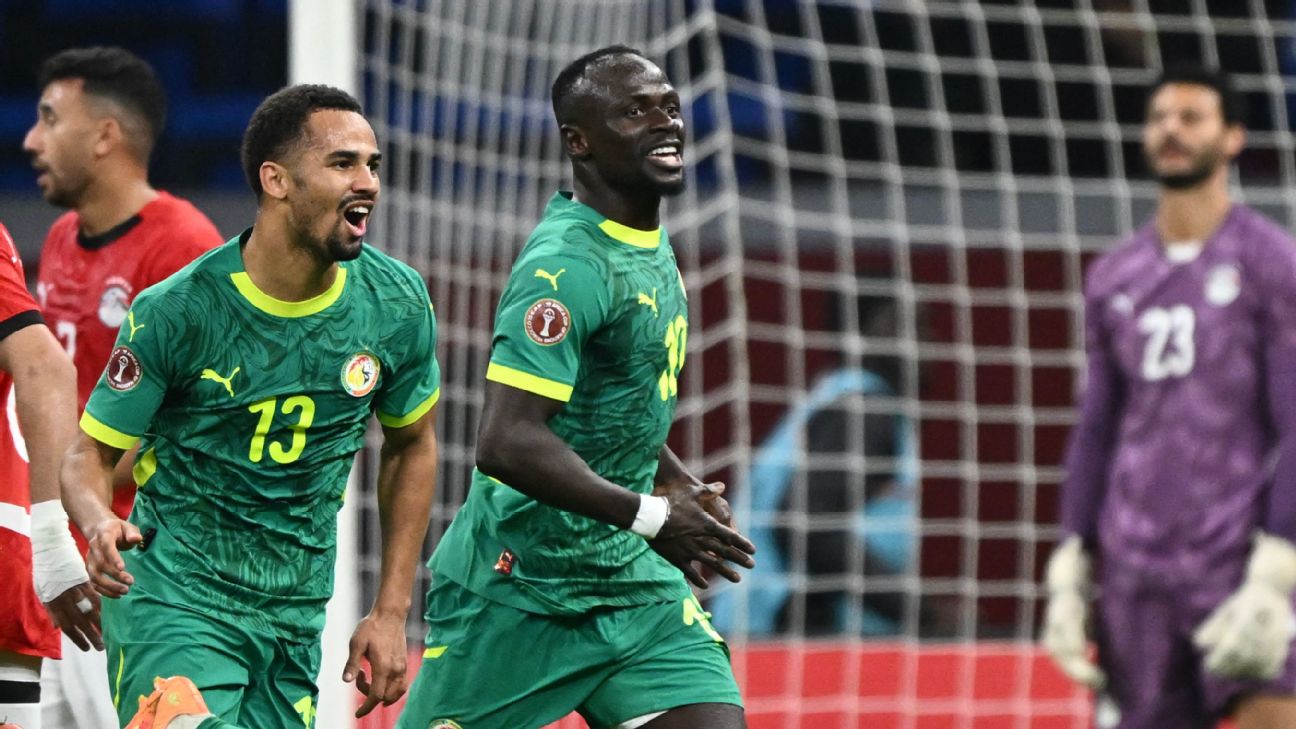
Senegal's World Cup jersey won't have two stars
31 minutes ago