
Australian Open 2026 | The Forehand problem: Why Coco Gauff can’t break through tennis’s final barrier
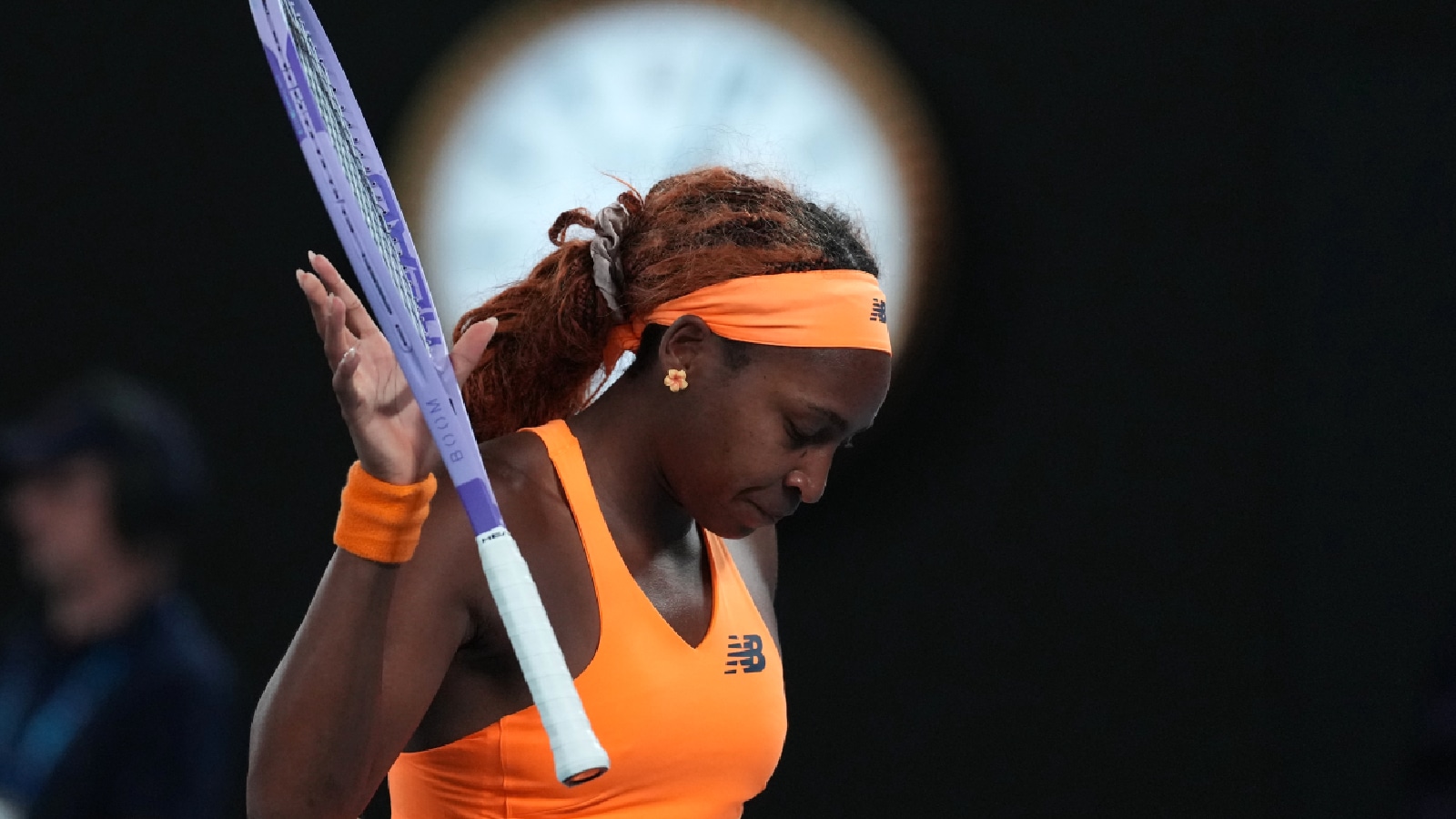
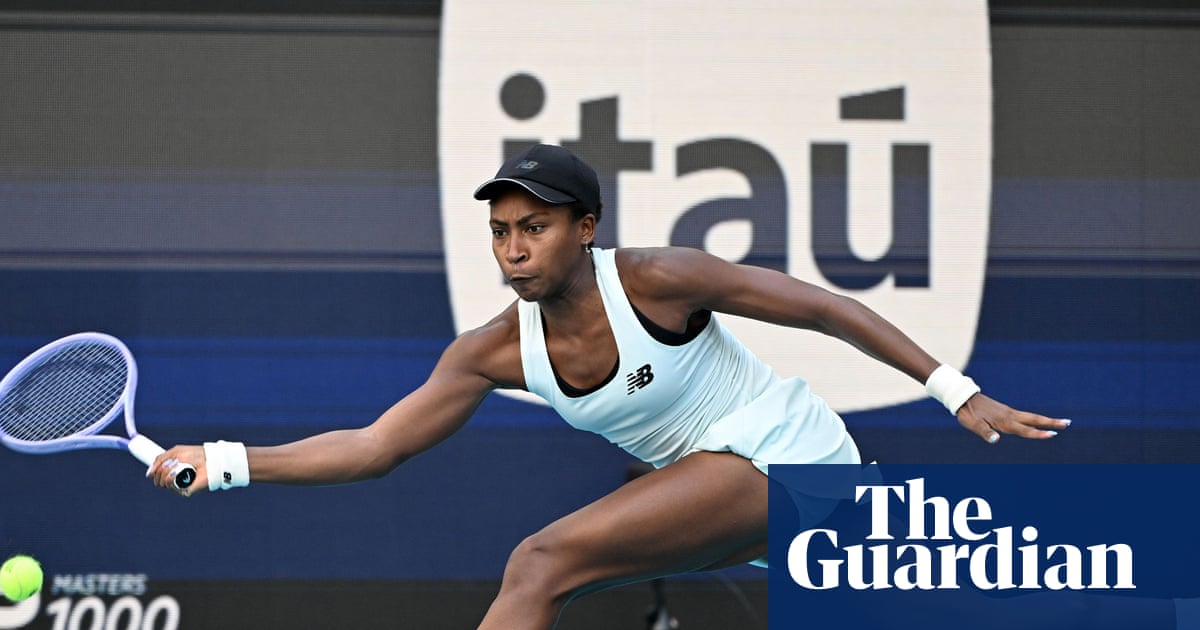
The American, turning 22 in two months, has had the unenviable task of attempting to evolve as a tennis player under the glare of the public eye ever since she was 15 years old. Her impressive results – two Major titles and a career-high ranking of World No. 2 – at such a young age are a result of a class-leading backhand, phenomenal athleticism, and mental fortitude that has allowed her to elongate high-stakes contests into mental battles. These are even more creditable considering there remains so much room for improvement.At the peak of her short career so far, she had a productive partnership with Brad Gilbert. Having worked with Andre Agassi in the past, the American celebrity coach – often doubling up as a TV analyst – has even authored a book titled ‘Winning Ugly.’ But there is only so much winning that can be done the ugly way, especially when the areas of concern are the two most important shots in tennis.Gauff’s serve receives the brunt of the flak, but it is not far removed from its ceiling. The issue is the variance between her best and worst serving days. A short grip change as opposed to a change in motion like other players make, as current coach Matt Daly has suggested, should lead to more consistency over time.Her forehand betrays her far more consistently. Part of the problem is her grip: the extreme Western grip through which she imparts excessive topspin makes last-minute adjustments tough. But that’s not to say it can’t be used effectively – Iga Swiatek uses the same grip and has arguably the best forehand on tour. The problem is her tentativeness with racquet in hand. Unsure of whether to go on the attack or give in to her more natural defensive instincts, she is often caught with all her weight on the back right foot.It’s a premeditated cop-out, especially when she is being outplayed, leaving her too far behind the baseline to go on the attack, often looping balls back into play. This is far removed from the attitude she displays on her backhand, which she can hit flat or with spin, and use to both attack and defend effectively, leaning into her shots with intent.On Tuesday, her entire game fell apart. She hit three winners and 26 unforced errors in a match that only lasted 15 games. Five of those were double faults and 12 came on the forehand side, but she was outplayed on all accounts against an experienced, peaking opponent who was smelling blood. Svitolina is into her fourth Major semifinal, where she faces the red-hot World No. 1 Aryna Sabalenka.For Gauff, while time may be on her side, she must also solve technical issues while her place among tennis’s elite is still established. Doing so following a tumble down the rankings will come with mental hurdles of its own. The time has come to start winning elegantly, too.


.jpg)
Most Popular


Hallgrimsson devastated by Irish loss
5 hours ago